
See Creativity in Action
Discover a World of Creative Inspiration
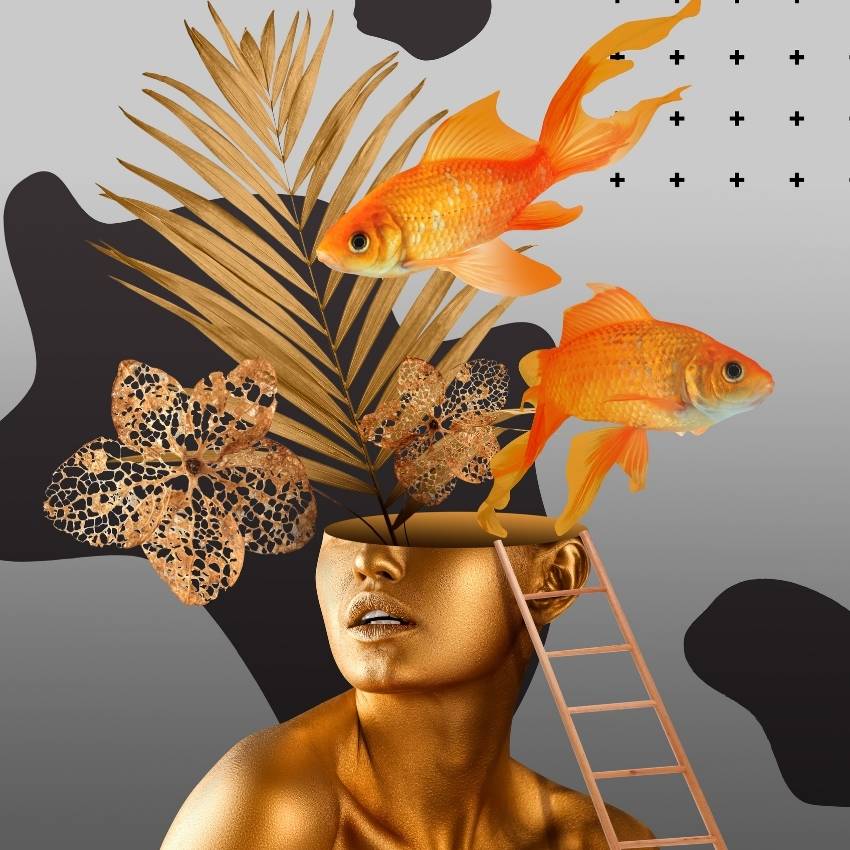
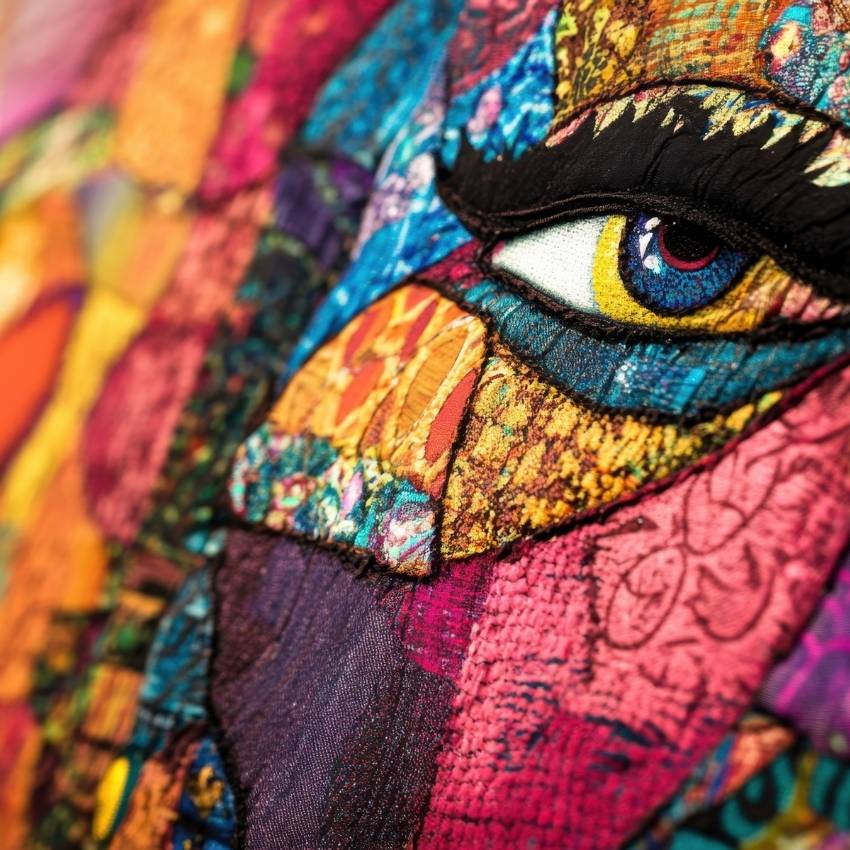
Every corner of Brot Kunsthalle is curated to stimulate your senses and inspire your imagination. From dynamic installations to visually captivating presentations, each visit offers a fresh perspective. We focus on creating experiences that challenge conventions, encourage exploration and engage visitors on multiple levels.
“Creativity begins where certainty ends. Step beyond the familiar and explore what’s possible.”
Connect With Us
Tell Us What You’re Looking For.
Fuel Your Imagination
A Hub for Creative Inspiration
Looking for inspiration for your next project or personal pursuit? Brot Kunsthalle is more than a venue, it’s a source of ideas. Our carefully designed environment encourages reflection, experimentation and the free flow of creative thought. Explore what makes our space a unique source of inspiration:

Take the First Step
Begin Your Creative Exploration Today
Visit Brot Kunsthalle and immerse yourself in a space where ideas, inspiration and innovation come alive. Don’t just imagine experience creativity in action.
Creativity Without Limits
Designed for Every Visitor
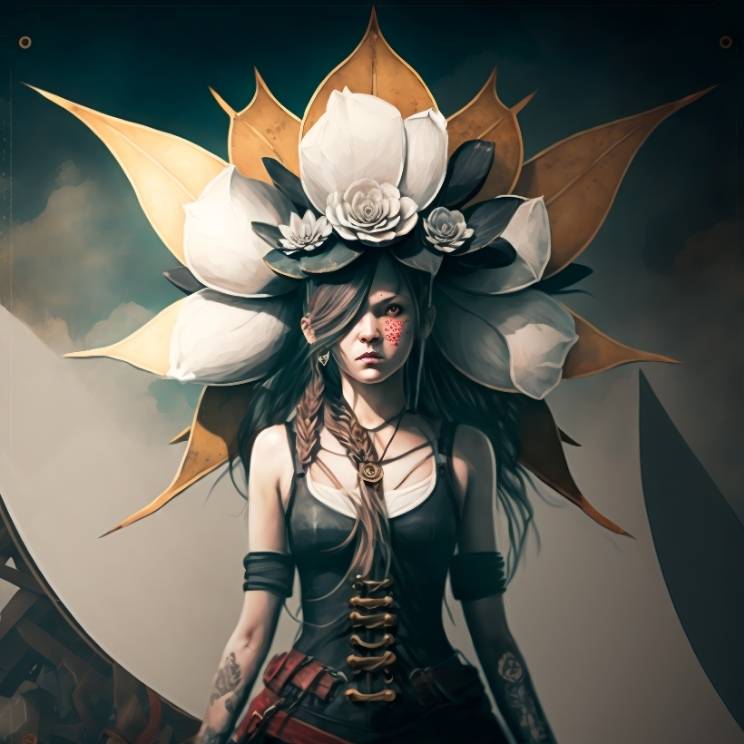
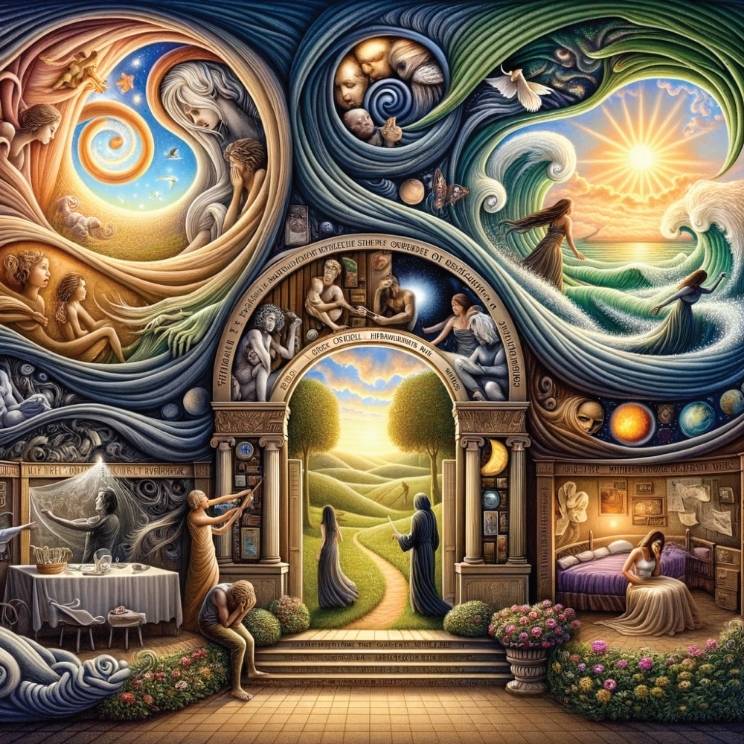
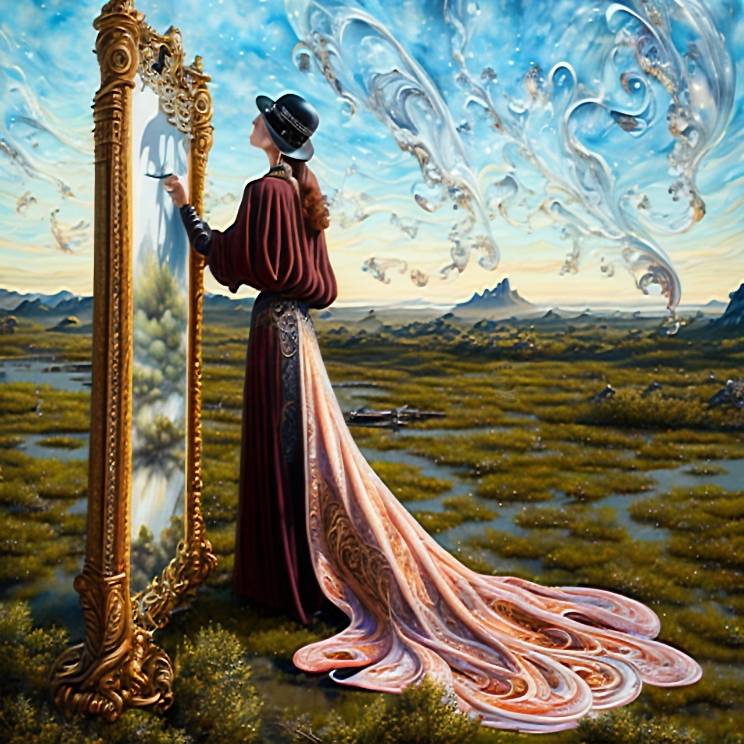
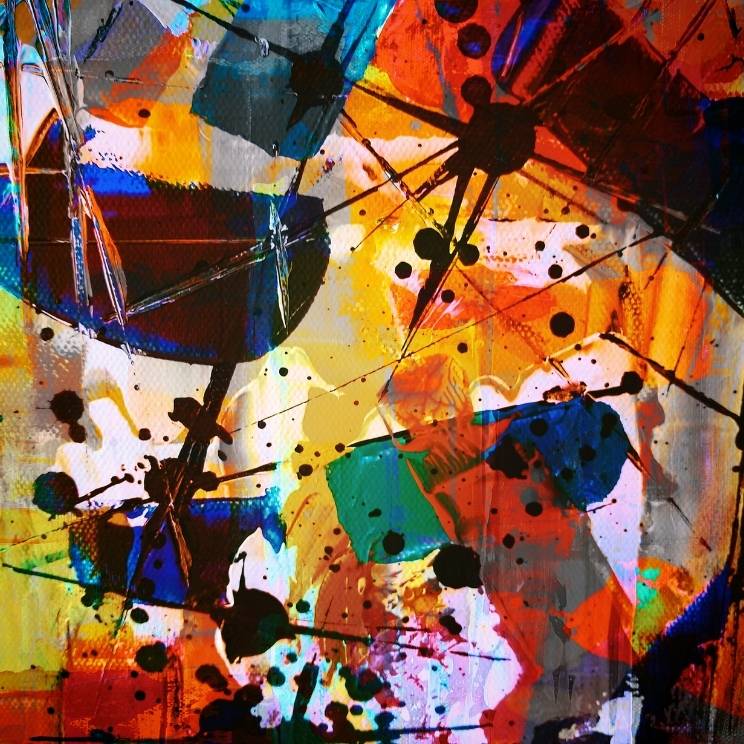
Creativity is universal, and Brot Kunsthalle is designed for everyone. Whether you are a professional seeking fresh perspectives, a student exploring possibilities, or someone curious about innovative ideas, our space welcomes all. Each area fosters imagination while offering a comfortable, engaging environment.


Experience the Difference
Why Brot Kunsthalle Should Be on Your List
Visitors choose Brot Kunsthalle for the unique experiences and inspiration it offers. Our space is designed to spark curiosity, challenge conventional thinking and engage every sense.
- Immersive Experiences: Interactive exhibits that spark curiosity.
- Dynamic Spaces: Thoughtfully curated areas to inspire ideas.
- Innovative Perspectives: Engage with new ways of thinking.
- Inclusive Environment: Welcoming to all, regardless of background or experience.
Step Into Inspiration
Begin Your Creative Journey Today
Brot Kunsthalle is more than a destination, it’s a journey into imagination and creativity. Visit us to explore new perspectives, fuel your inspiration and experience a space unlike any other. Let your imagination take flight, discover Brot Kunsthalle today.
A: Brot Kunsthalle is a creative space designed to inspire exploration, imagination, and innovative thinking. Visitors can experience immersive visual environments and concept-driven showcases that encourage new perspectives and spark creativity.
A: Our space is open to everyone—professionals, students, creative thinkers, explorers, and anyone interested in discovering new experiences. You don’t need prior knowledge or background to enjoy what we offer.
A: Booking is not always required, but availability may vary depending on schedules and capacity. For the best experience, we recommend checking ahead or contacting us via the form for the most up-to-date information.
A: Expect a visually engaging and thought-provoking environment built to spark imagination. Visitors can explore at their own pace, interact with immersive elements, and enjoy a calm, reflective atmosphere.
A: Yes. Group visits, private viewings, and special arrangements may be possible. For inquiries, please reach out using the contact form with details about your request.
A: You can subscribe to updates by filling out the contact or newsletter form on our website. We’ll notify you about announcements and upcoming opportunities.



Discover What Creativity Feels Like
Every visit to Brot Kunsthalle is a journey into innovation and inspiration. Engage with immersive visuals and experiences that challenge your thinking and awaken your imagination.
 © 2025 Brot Kunsthalle. All rights reserved.